
Understanding Nutritional Support for Male Vitality and Well-being
Welcome to Xocse: Your Hub for Male Vitality Information
This section provides an introduction to our mission: to offer clear, research-backed information on nutrition and well-being for men. It sets the tone for an educational journey, emphasizing knowledge and understanding over recommendations or quick fixes.

Understanding Essential Nutrients
At the foundation of male health lies a clear understanding of essential nutrients. Vitamins and minerals play crucial roles in overall health, explaining their general functions without referencing specific health conditions. Macronutrients—carbohydrates, proteins, and fats—provide energy and structural support. Micronutrients, including various vitamins (A, B-complex, C, D, E, K) and minerals (zinc, magnesium, selenium, iron), are vital for normal bodily processes such as energy production, bone maintenance, and immune function.
Vitamins
Essential organic compounds that support various bodily functions including energy metabolism, immune support, and antioxidant protection. Found naturally in whole foods.
Minerals
Inorganic substances crucial for bone health, muscle function, and nerve transmission. Include calcium, magnesium, zinc, and selenium among others.
Macronutrients
Proteins, carbohydrates, and fats provide the body with energy and building blocks for tissue repair and growth, essential for maintaining physical health.
The Role of Diet in Men's Well-being
An exploration of how a balanced diet contributes to energy, stamina, and general physical and mental health for men. It highlights the importance of whole foods and varied nutrition patterns. A well-structured diet supports stable energy levels throughout the day, improves focus and cognitive function, and maintains healthy body composition.
Whole foods—fruits, vegetables, whole grains, and lean proteins—provide the body with a full spectrum of nutrients. Each food group plays a specific role in maintaining vitality and well-being.

Lifestyle Factors for Optimal Health
This section discusses non-nutritional aspects of male well-being, such as the importance of regular physical activity, adequate sleep, and stress management, explaining their impact on overall vitality.
Physical Activity
Regular movement supports cardiovascular health, muscle maintenance, bone density, and mental well-being. Even light activities like walking and stretching contribute significantly to overall vitality.
Sleep Quality
Adequate sleep supports the body's recovery processes, maintains hormonal balance, enhances cognitive function, and supports immune health. Generally, 7-9 hours is recommended for adults.
Stress Management
Chronic stress affects multiple bodily systems. Mindfulness, relaxation techniques, and social connection are key practices for maintaining mental and physical well-being.
Decoding Ingredient Labels
A guide to understanding common terms and ingredients found in general health products, focusing on their informational context rather than making claims about specific products or results. It aims to empower users to interpret labels effectively.
When reading product labels, understanding key terms helps you make informed choices. Common terms include bioavailability (how well the body absorbs a nutrient), active ingredients (the primary beneficial components), and recommended daily values (standard nutritional guidelines).
Energy and Stamina Explained
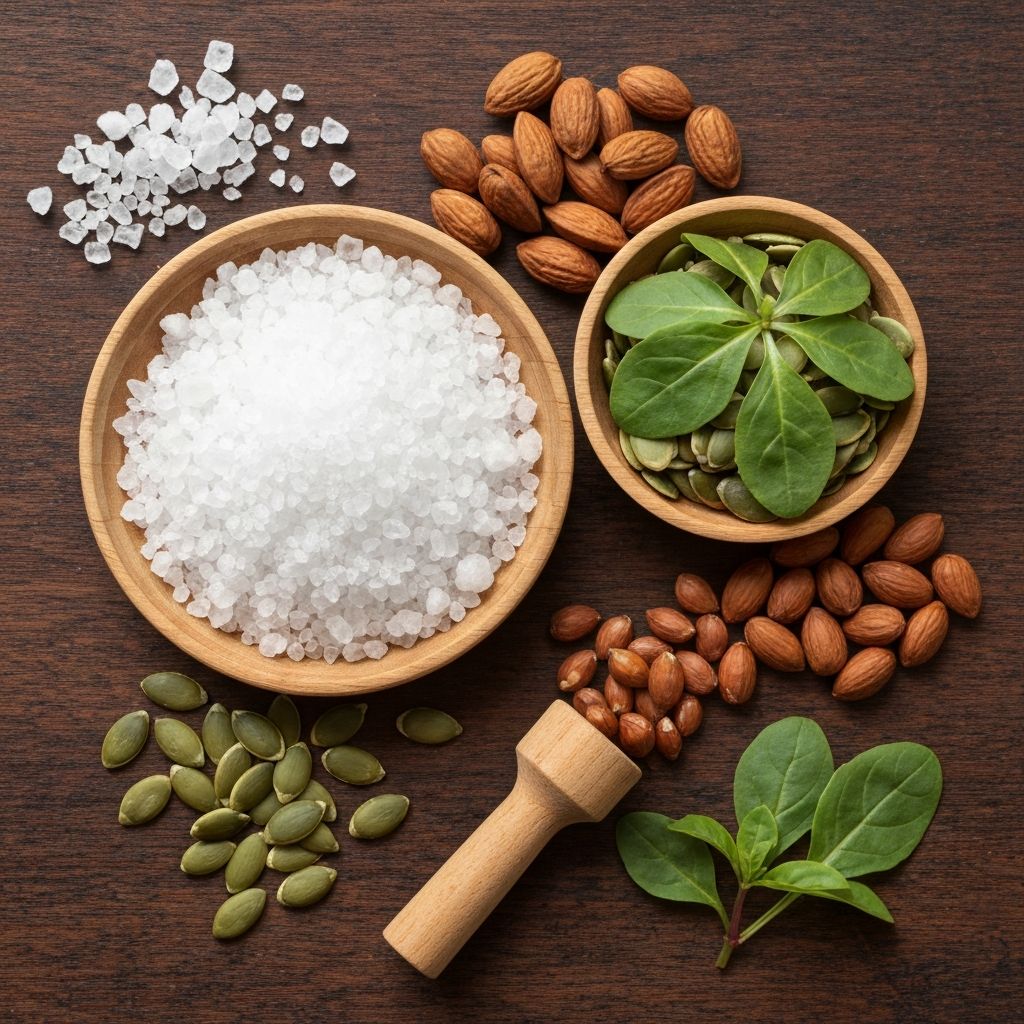
This block provides insights into how the body generates and sustains energy, focusing on metabolic processes and the role of various nutrients in supporting physical and mental endurance.
Energy production in the body is a complex process involving multiple nutrient systems. Carbohydrates are the primary energy source, broken down into glucose. Proteins support muscle function and recovery. Fats provide sustained energy and support hormone production. B vitamins act as coenzymes in energy metabolism, iron carries oxygen to tissues, and magnesium supports ATP production—the cell's energy currency.
Supporting General Well-being
An overview of how holistic approaches to health, including balanced nutrition and mindful living, can foster a sense of overall well-being and vitality in men.
True well-being extends beyond individual nutrients or single lifestyle changes. It encompasses a balanced approach to nutrition, regular movement, adequate rest, social connection, and mental health practices. When these elements work together, they support sustained energy, mental clarity, emotional resilience, and a sense of purpose and vitality.

Nutrient Absorption and Bioavailability
This section educates on how the body processes and utilizes nutrients, explaining factors that can influence their absorption without offering medical advice.
Bioavailability refers to the proportion of consumed nutrients that the body can actually use. Several factors influence this: food form (whether nutrients come from whole foods or isolated supplements), nutrient combinations (certain nutrients enhance or inhibit absorption of others), digestive health (a well-functioning digestive system optimizes nutrient uptake), cooking methods (some nutrients are enhanced by cooking, others reduced), and individual variation (genetic factors and overall health affect absorption efficiency).
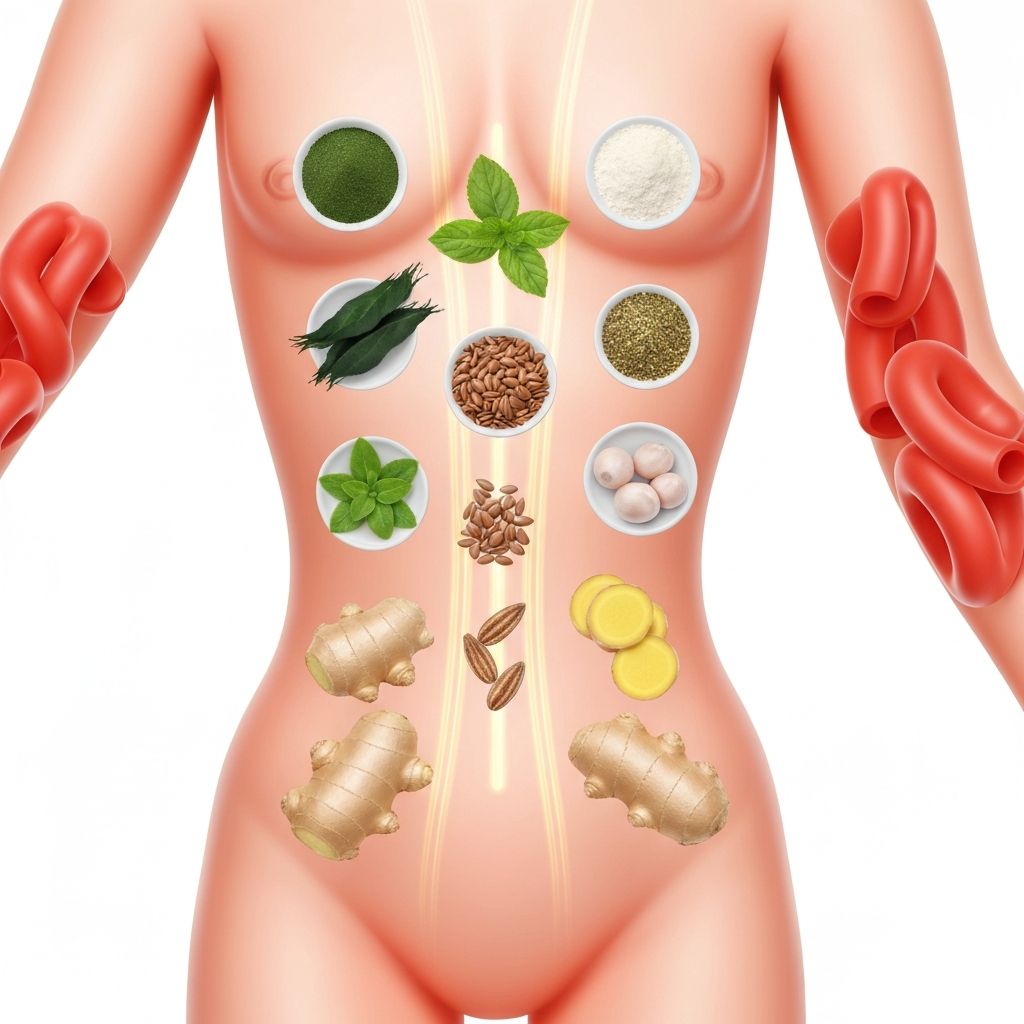
Digestive Process
The journey of nutrients through the digestive system, where they are broken down and absorbed for use throughout the body.
Nutrient Synergy
Some nutrients work together to enhance absorption. For example, vitamin C enhances iron absorption, and fat soluble vitamins require dietary fat for optimal absorption.
Individual Factors
Age, digestive health, medications, and overall nutrition status can all influence how efficiently the body absorbs and utilizes nutrients.
Common Nutritional Questions
Addresses frequently asked questions about male nutrition, providing general informational answers based on established dietary guidelines.
How much protein should men consume daily?
General dietary guidelines suggest 0.8 grams per kilogram of body weight for sedentary adults. Those engaging in regular physical activity may benefit from higher intake. The optimal amount varies based on individual health status and activity level.
What are good sources of antioxidants?
Antioxidants are found in colorful fruits and vegetables, nuts, seeds, whole grains, and certain herbs and spices. Variety in diet ensures a broad spectrum of antioxidant compounds.
How does hydration affect overall health?
Water is essential for virtually all bodily functions—temperature regulation, nutrient transport, toxin elimination, and joint lubrication. Most guidelines suggest drinking adequate water based on individual needs, activity level, and climate.

The Science Behind Key Vitamins
Delves into the scientific understanding of selected vitamins, explaining their chemical structure and primary roles in the body's systems.
Vitamin D
A fat-soluble steroid hormone produced in the skin upon sun exposure or obtained through diet. Supports calcium absorption, immune function, and mood regulation. Influences over 200 genes in the body.
Vitamin B12
A water-soluble vitamin essential for nerve function, red blood cell formation, and DNA synthesis. Particularly important for energy metabolism and mental clarity.
Vitamin E
A fat-soluble antioxidant that protects cells from oxidative damage. Supports immune function and tissue health. Found primarily in plant oils, nuts, and seeds.
Antioxidants and Their Functions
Provides an overview of antioxidants, their presence in foods, and their general role in protecting cells from oxidative stress.
Antioxidants are compounds that neutralize free radicals—unstable molecules that can damage cellular structures. Sources include vitamins C and E, selenium, and plant compounds like flavonoids and polyphenols. A diet rich in antioxidant-containing foods supports cellular health and overall vitality.

Understanding Amino Acids
Explains the fundamental role of amino acids as building blocks of proteins and their importance in various bodily functions.
Amino acids are organic compounds that link together to form proteins—the structural and functional foundation of all living tissues. There are 20 amino acids commonly found in foods; nine are essential, meaning the body cannot produce them and they must come from diet. Essential amino acids include leucine, isoleucine, valine, lysine, methionine, phenylalanine, threonine, tryptophan, and histidine. These support muscle function, enzyme production, hormone synthesis, and immune response.
Minerals for Bone Health and Beyond
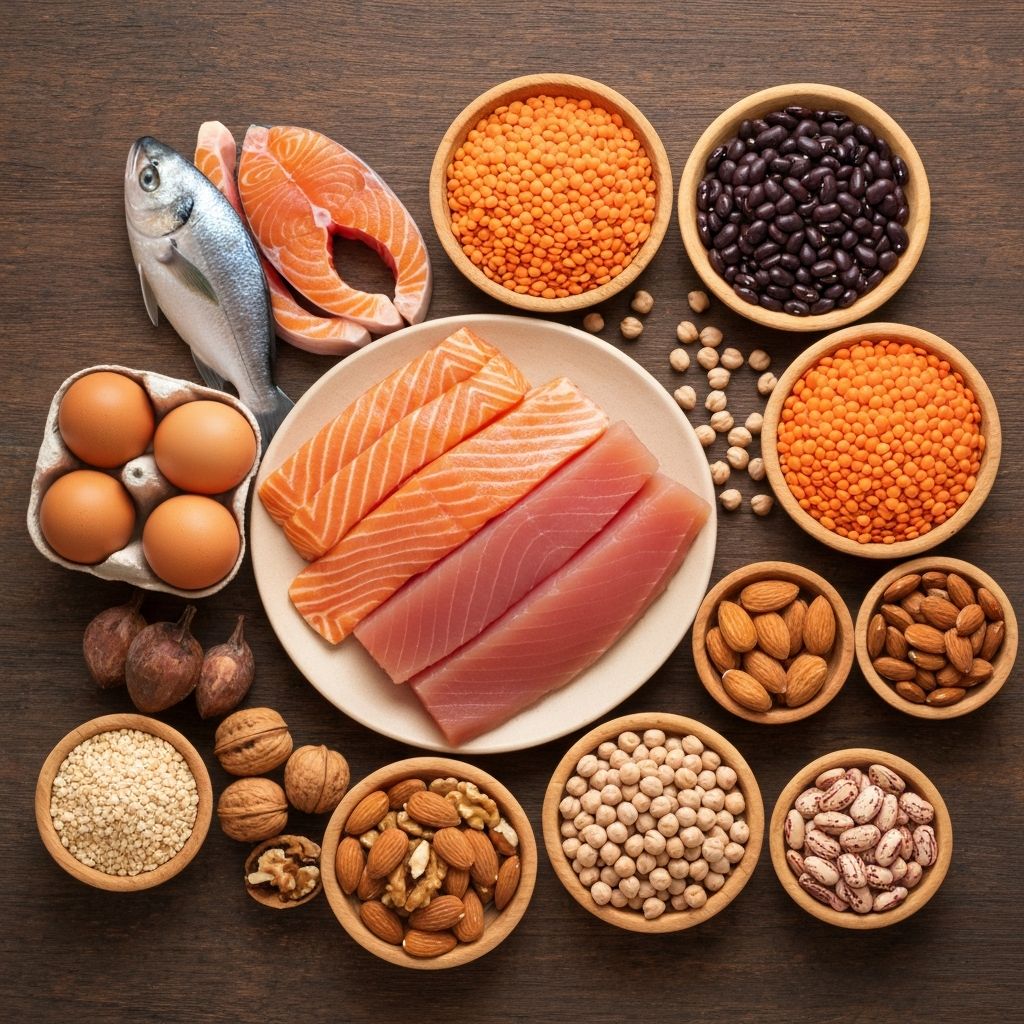
Focuses on key minerals like calcium and magnesium, detailing their general contributions to bone density, muscle function, and nerve health.
Calcium: The most abundant mineral in the body, essential for bone structure and strength. Also supports muscle contraction and nerve signaling.
Magnesium: Involved in over 300 enzyme reactions, supporting energy production, muscle function, and stress response. Important for bone health and cardiovascular function.
Zinc: Supports immune function, protein synthesis, and wound healing. Critical for taste and smell perception.
Selenium: A trace mineral with antioxidant properties, supporting thyroid function and immune health.
Exploring Botanical Extracts
Introduces common botanical extracts used in general health contexts, describing their historical uses and current scientific understanding of their properties, without making claims of efficacy.

Ginger Root
Used traditionally for digestive support and comfort. Contains compounds with antioxidant properties. Generally recognized as safe in culinary and supplemental quantities.
Turmeric (Curcumin)
Contains curcuminoids with antioxidant properties. Used in traditional medicine for general wellness. Most bioavailable when combined with black pepper.
Ashwagandha
An adaptogenic herb used traditionally to support stress resilience and general well-being. Research suggests it may support normal stress response and sleep quality.
Limitations and Context
Important Information:
- All information on this site is provided for educational and informational purposes only.
- This content does not constitute personalized recommendations or medical advice.
- Individual nutritional needs vary significantly based on health status, age, activity level, and other factors.
- This information is not a substitute for professional medical consultation.
- For specific health concerns, consult with a qualified healthcare provider.